Coastal Resources Management in Costa Rica, Central America
The following Q&A is my reflection on the Isla Chira & Tárcoles Field Trips at the United Nations-mandated University for Peace in Costa Rica, Department of Environment & Development (December, 2024).
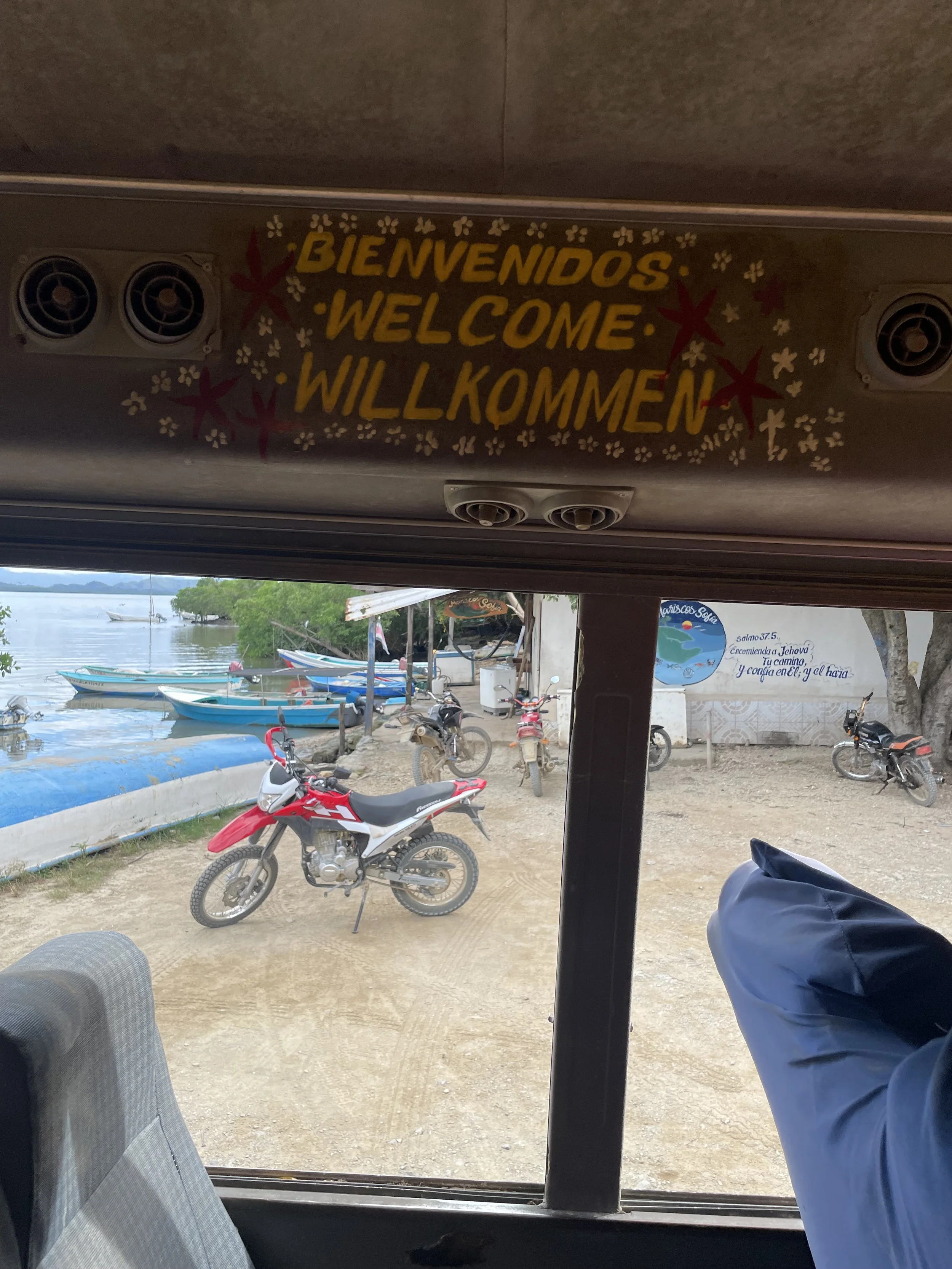
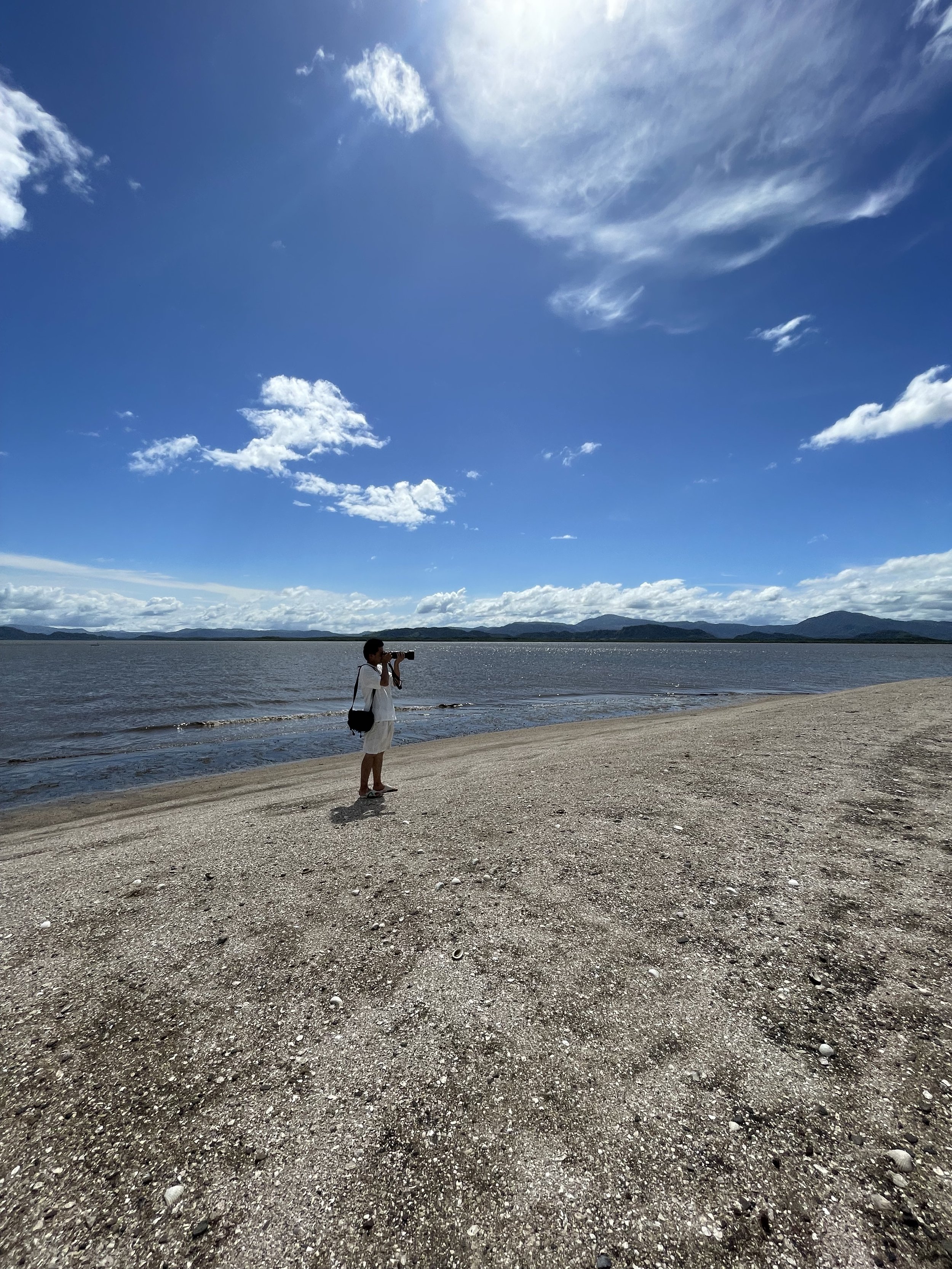
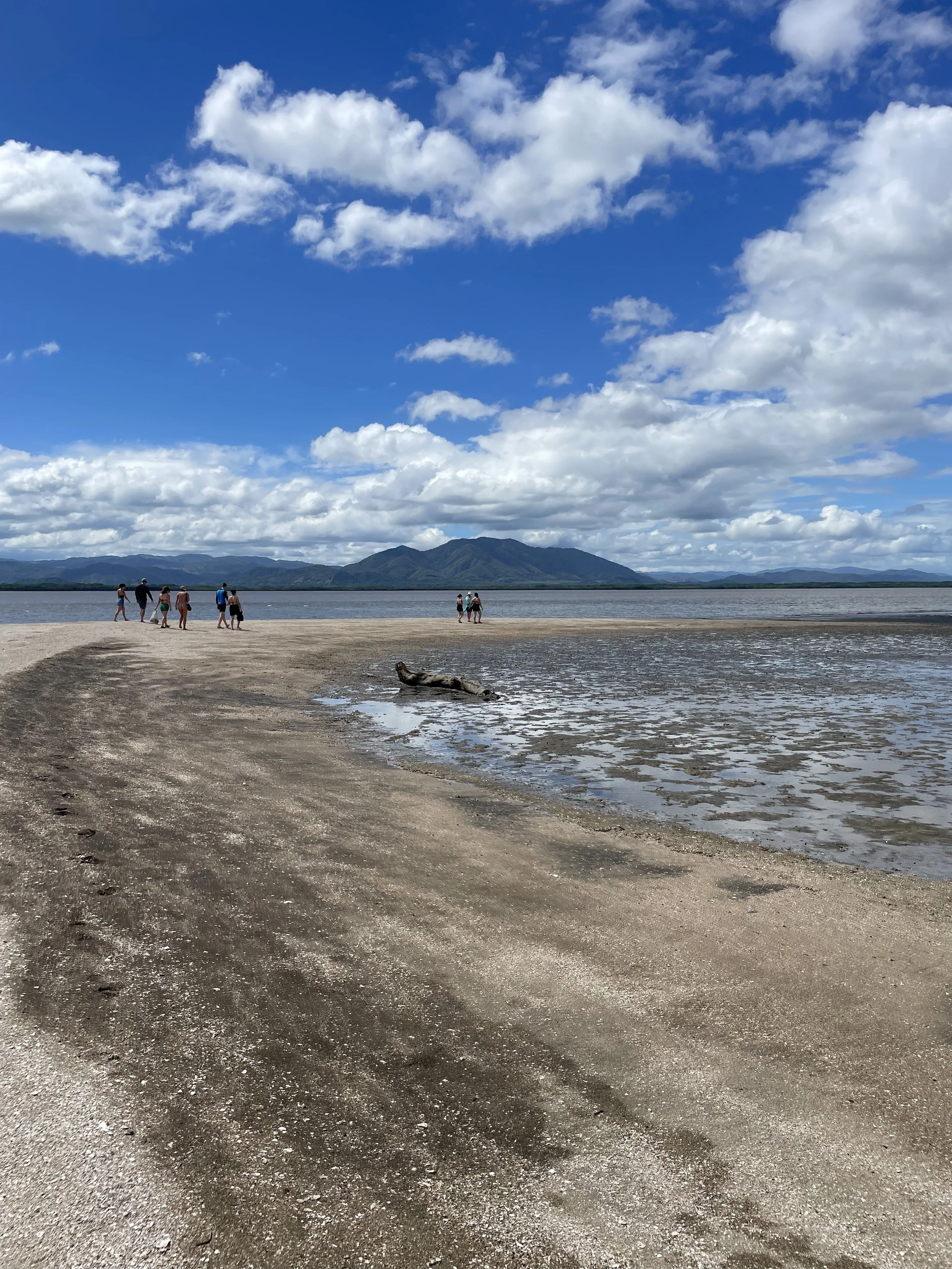
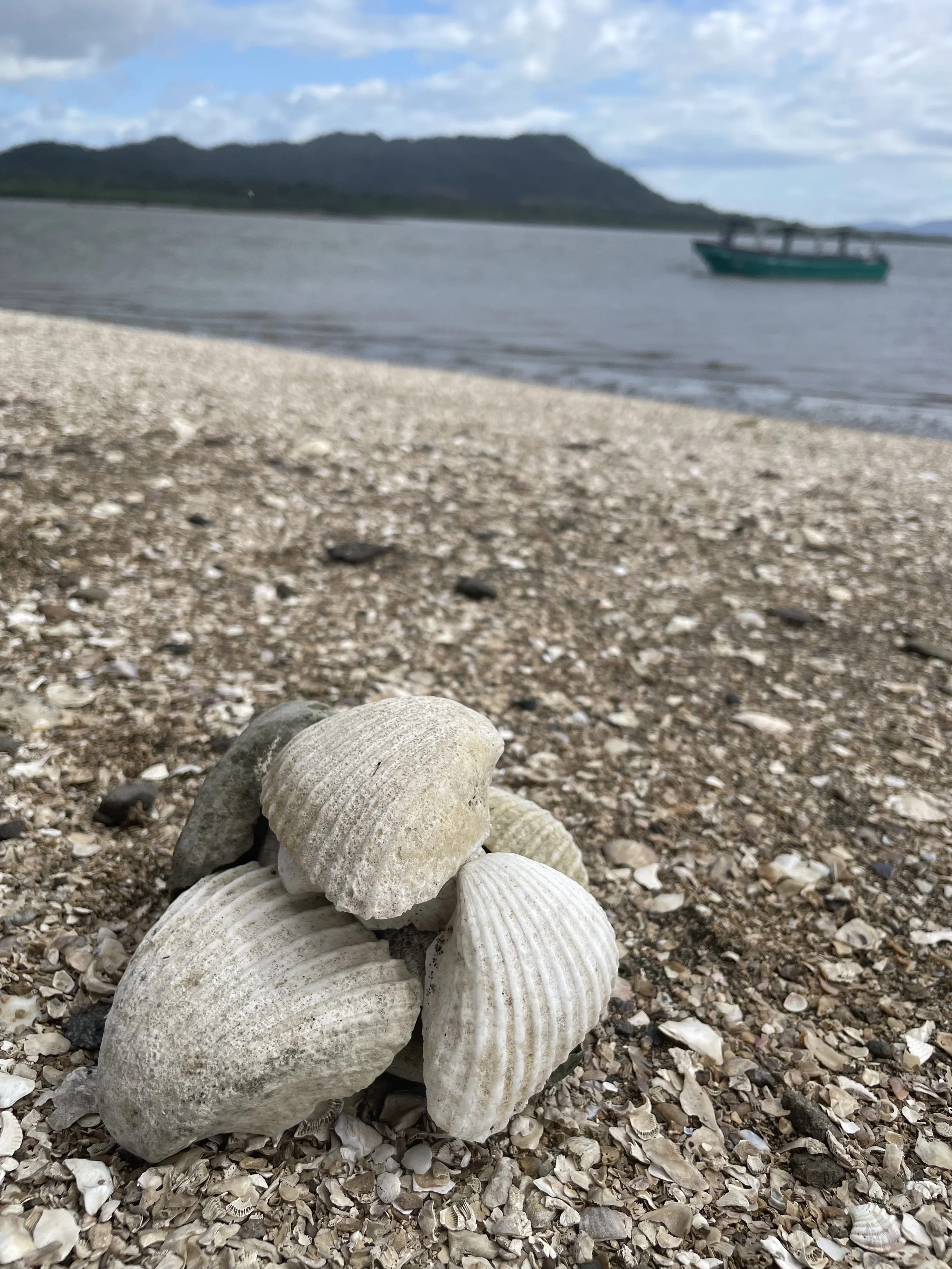
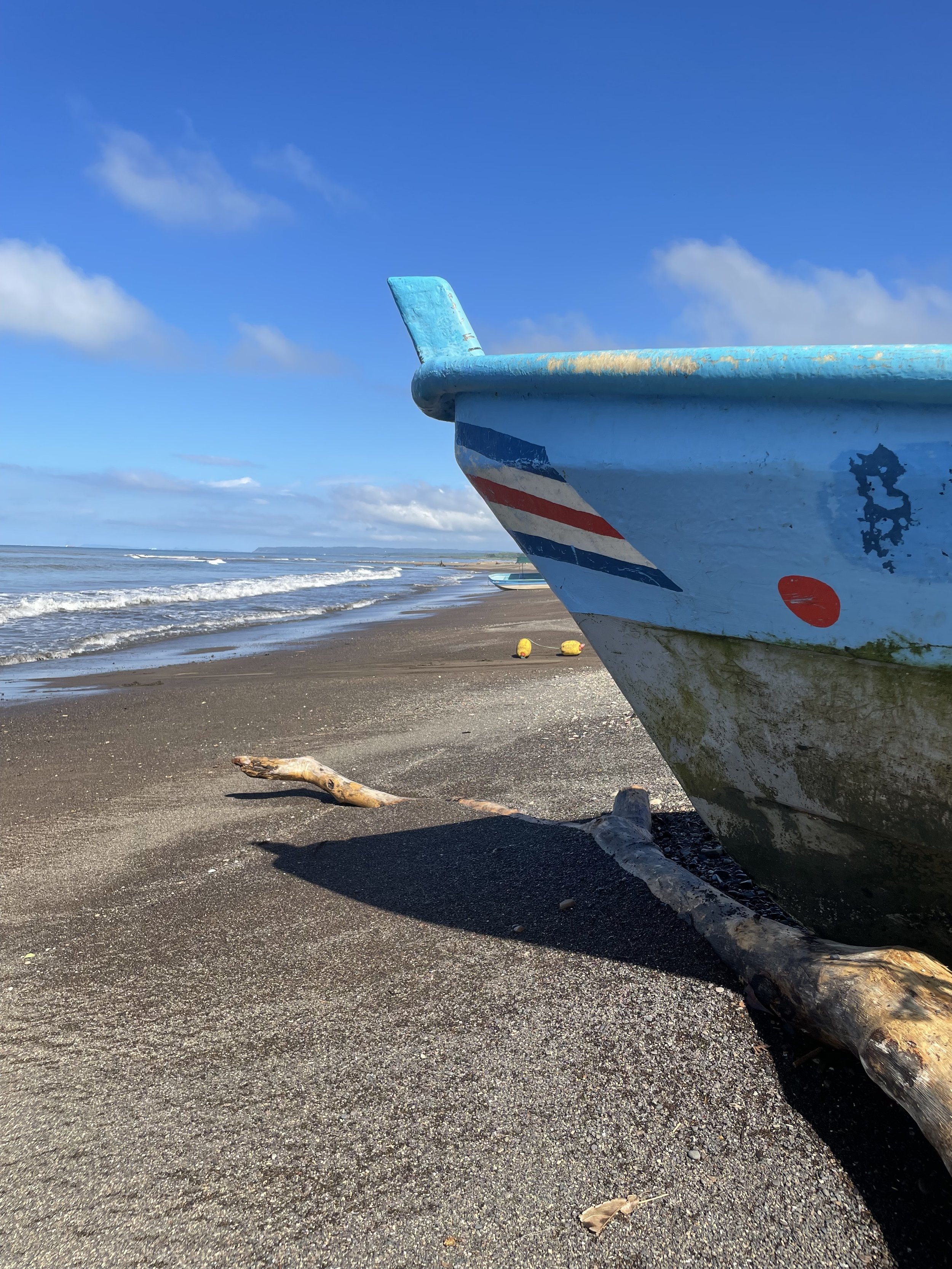
1.) What personal realizations about marine resource management, both in Costa Rica and the larger world were created by the trip or by individual events?
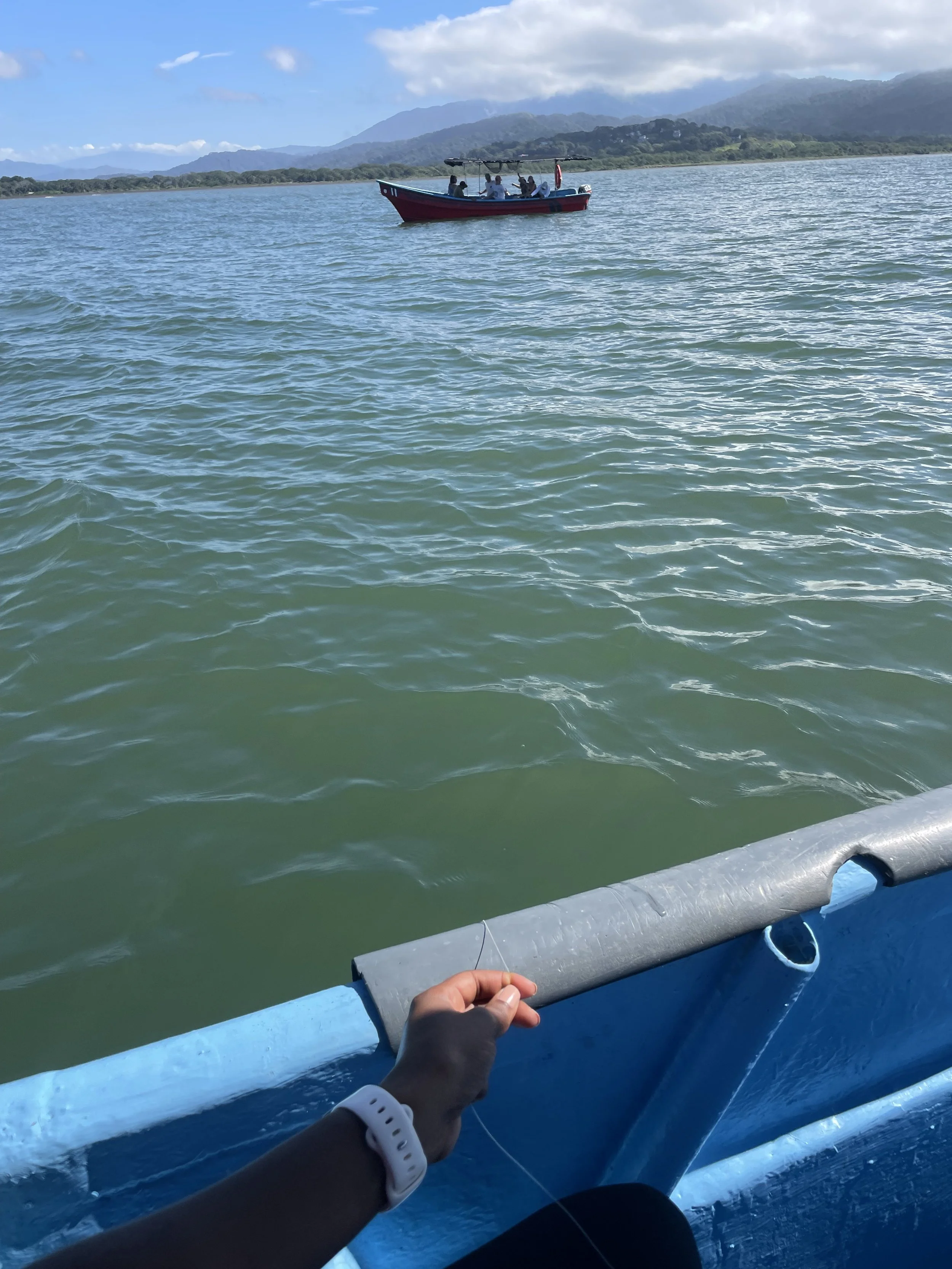
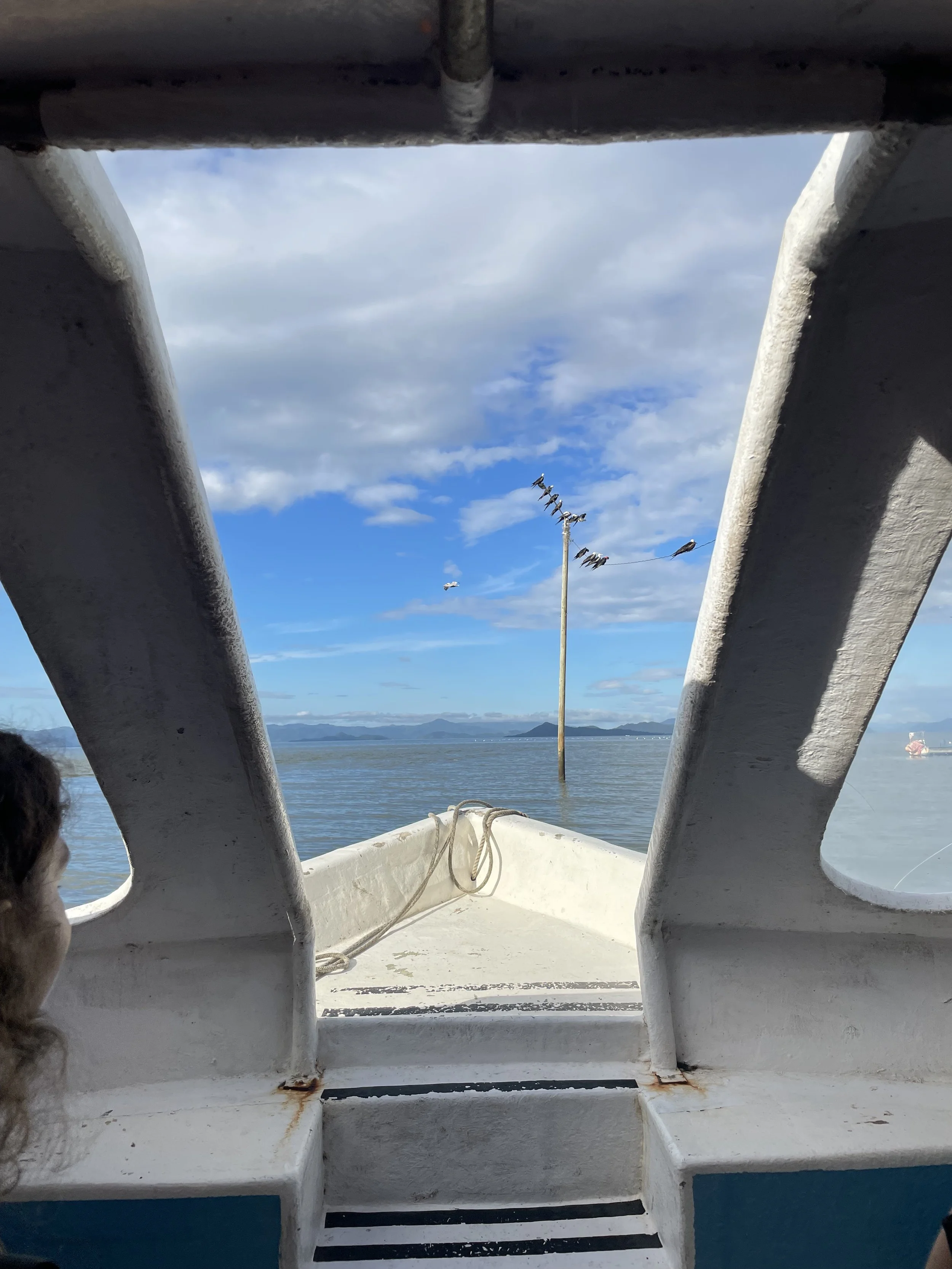
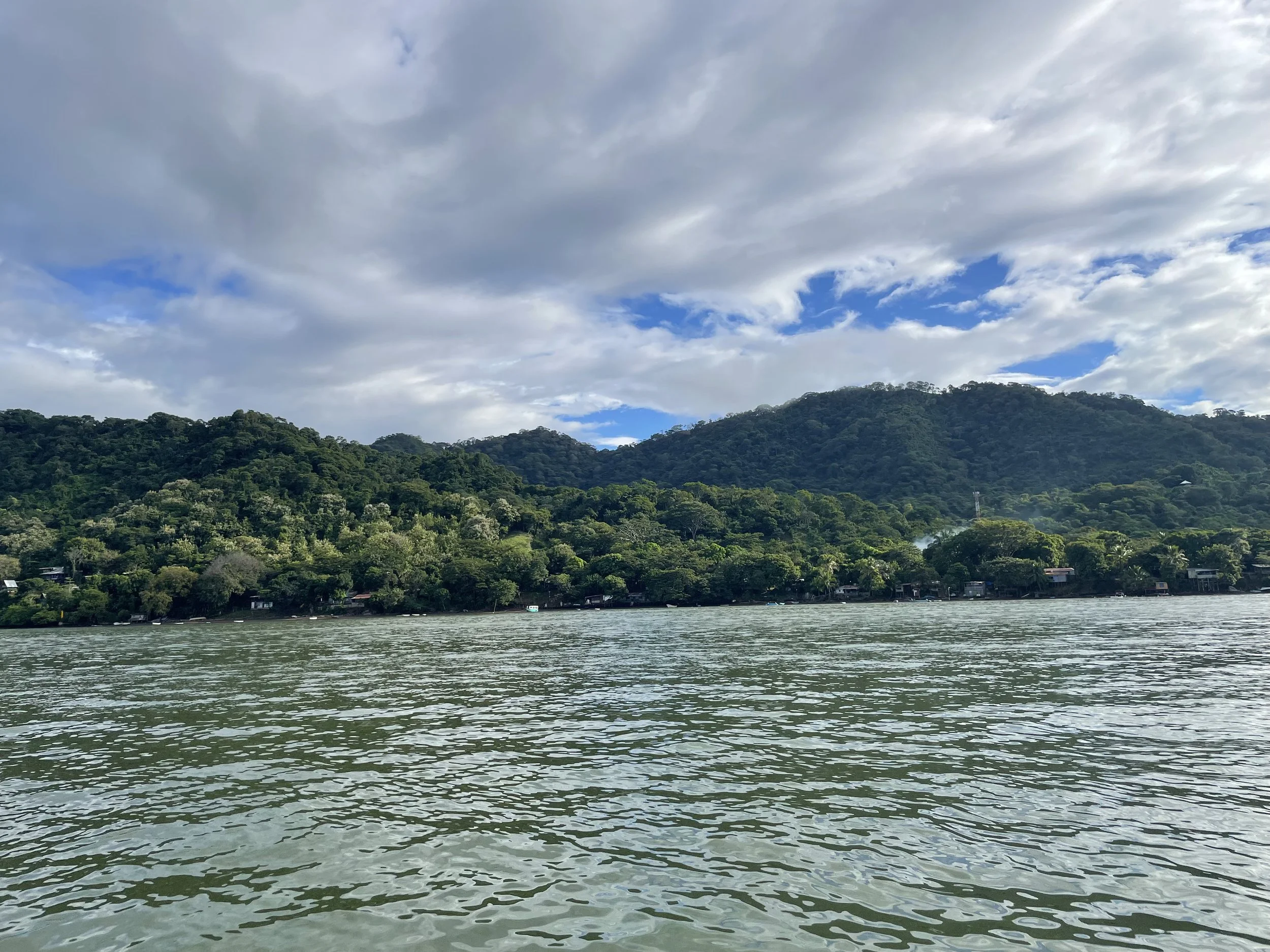
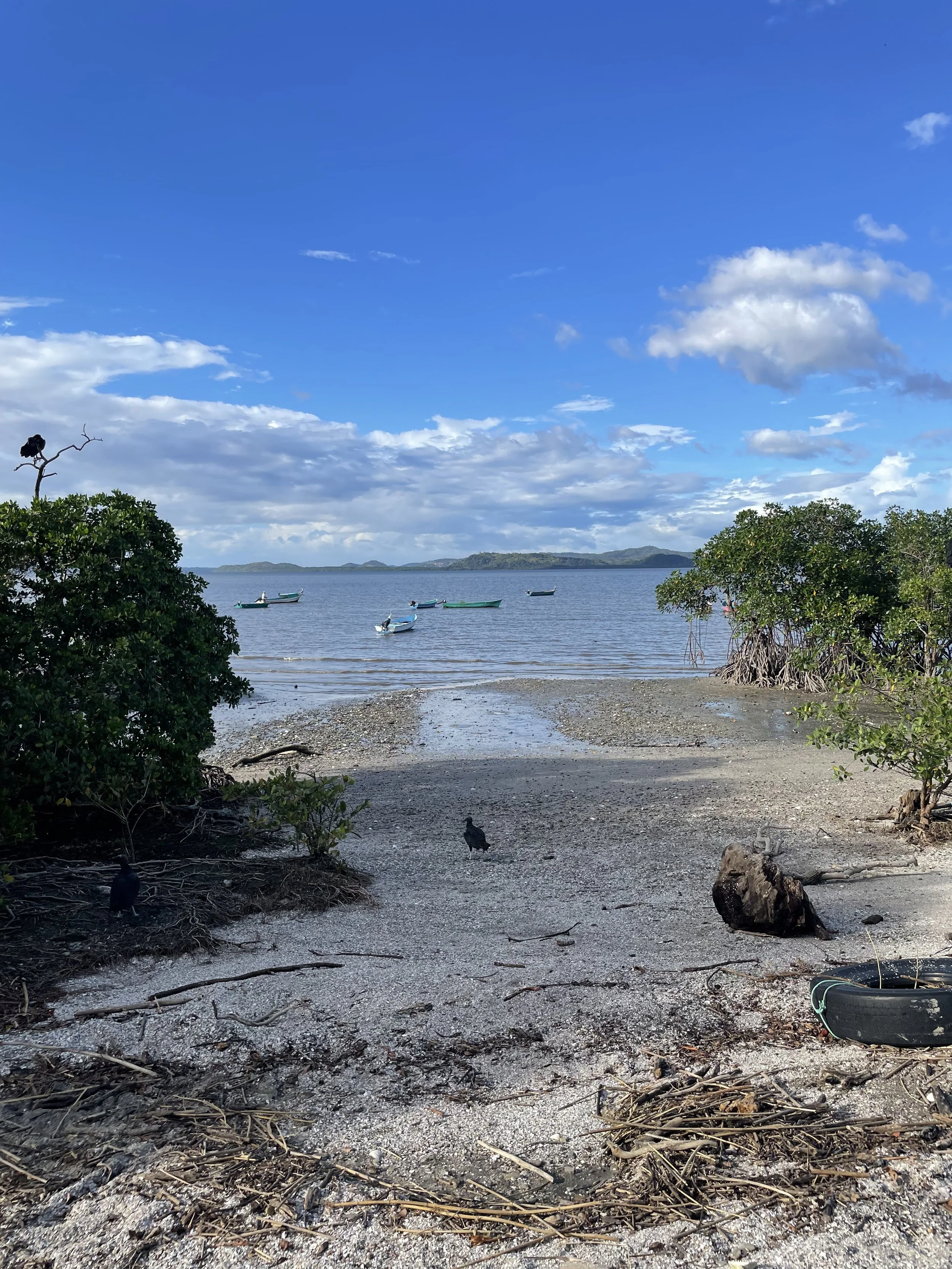
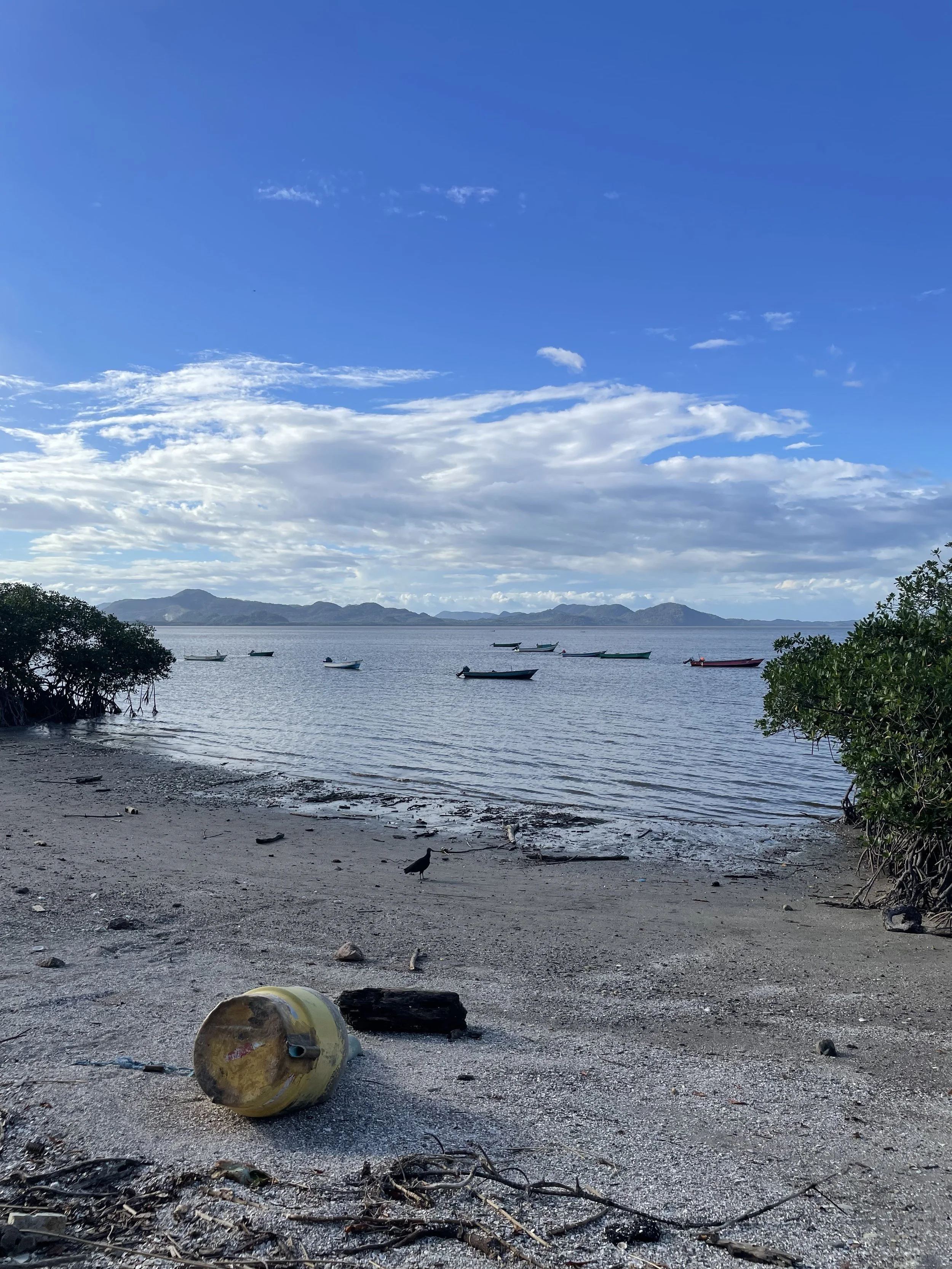
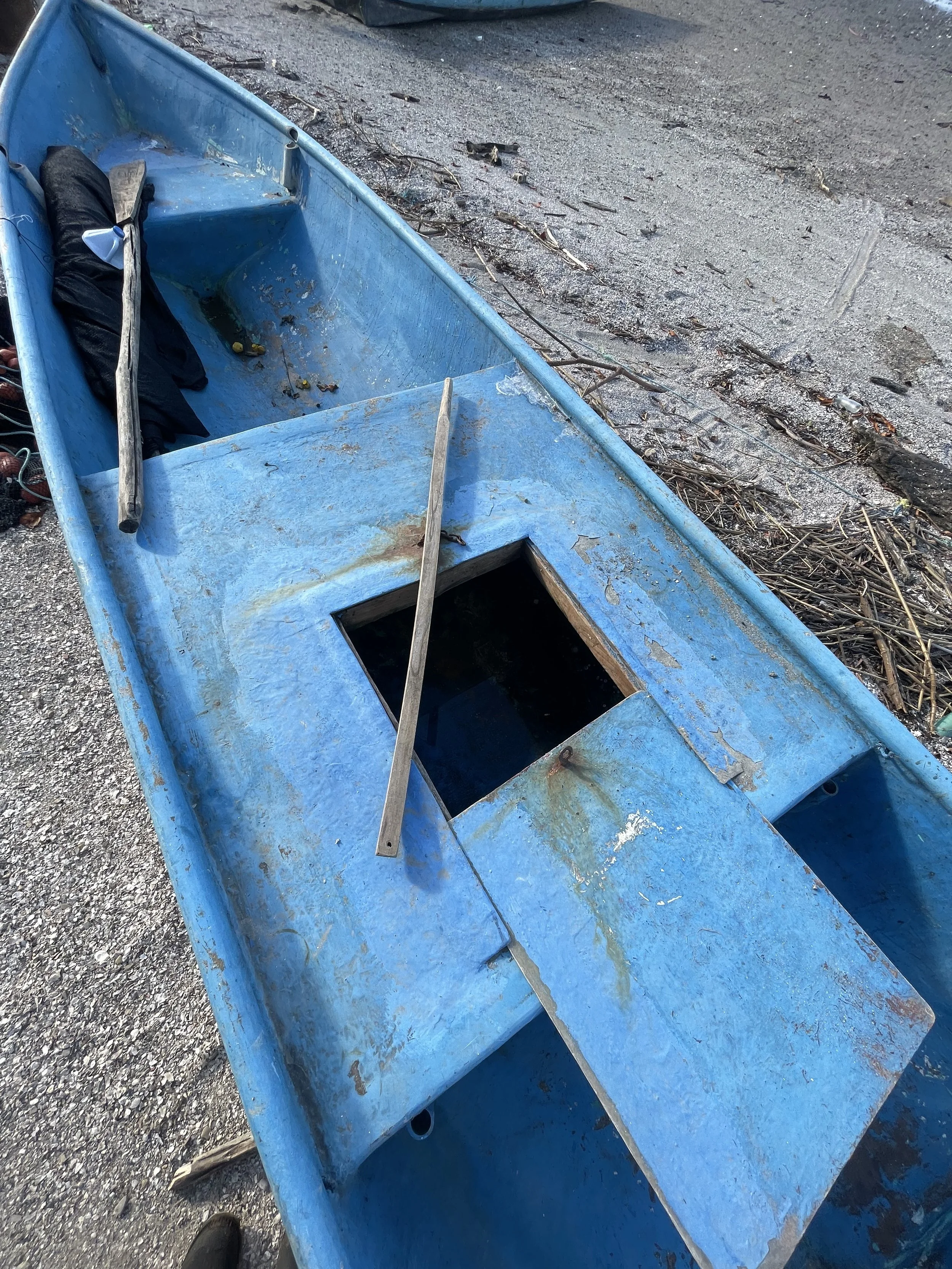
Leaving Isla Chira and observing other boats on the water from our rather large and spacious speed boat, I realized just how impractical it is to expect monitoring/managing/patrolling of the high seas to be fully possible or efficient. En route to Puntarenas, I noticed three small boats that appeared to be fishermen out for their morning catch. I mainly think they were fishing because lots of birds were sitting on their boats. However, due to the humble boat size and the long distance between us, it was almost impossible to see exactly who they were, what they were doing, or what gear/equipment they may have had on board with them. If we approached, they’d see us coming a (nautical) mile away!
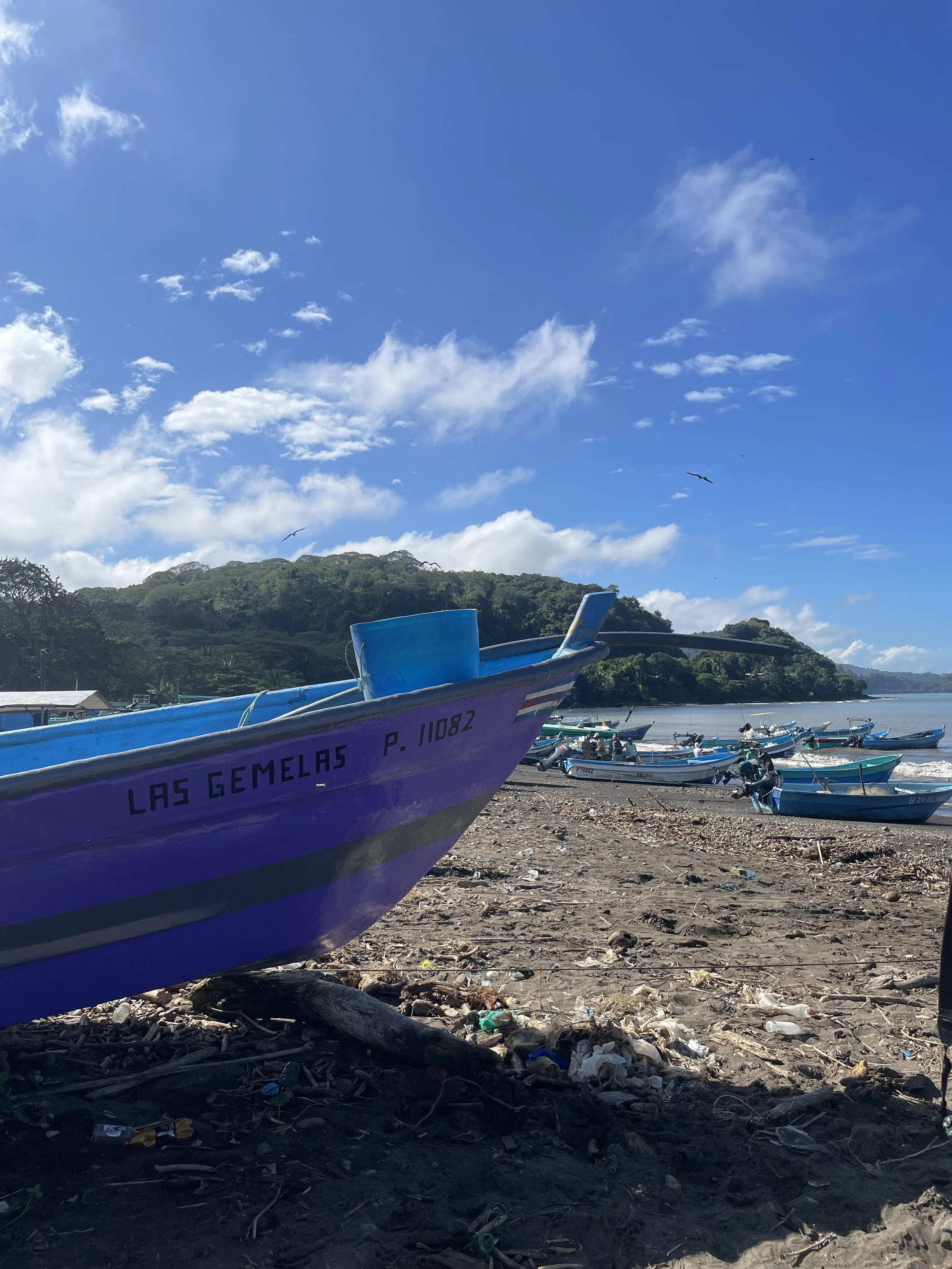
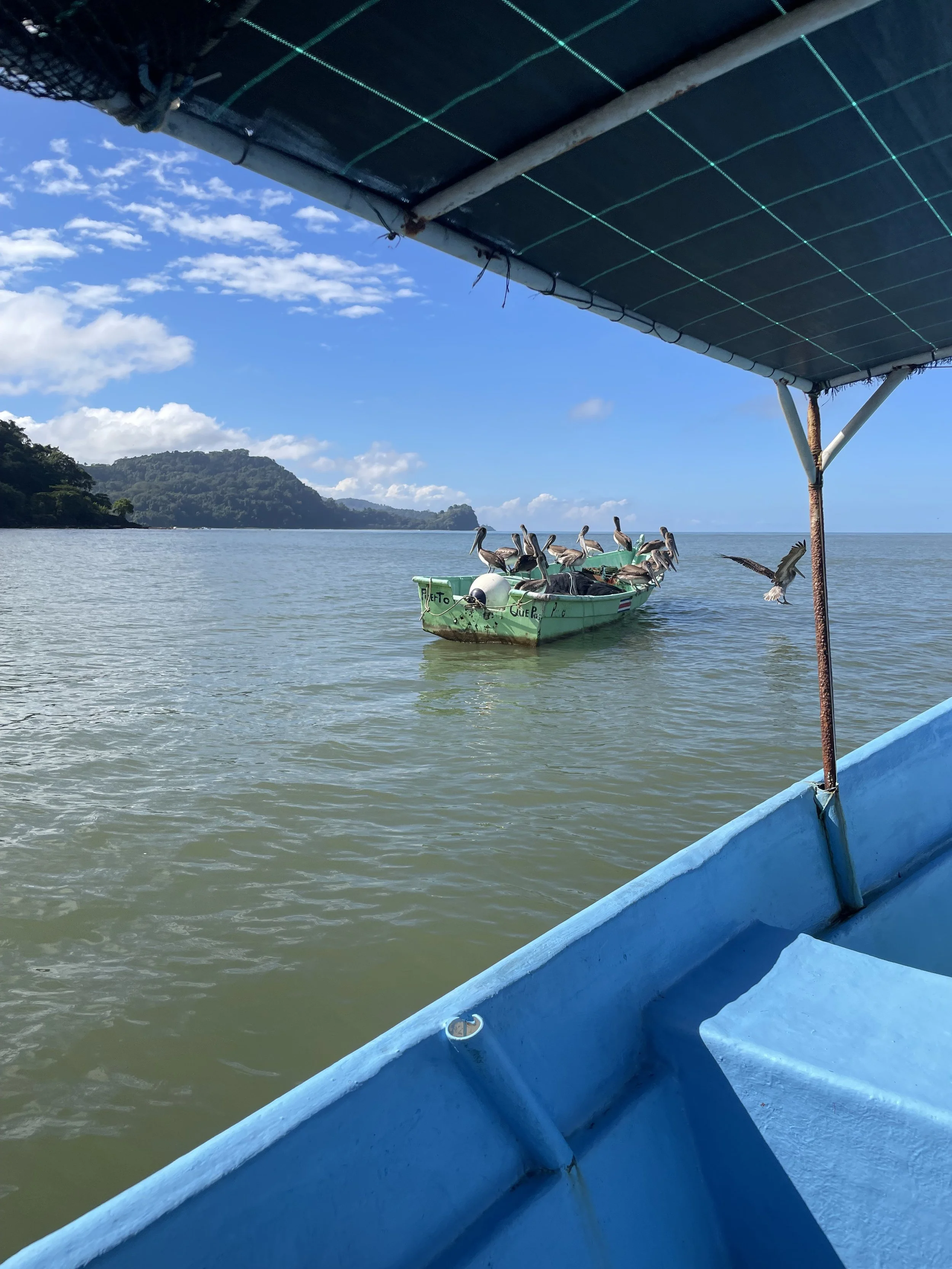
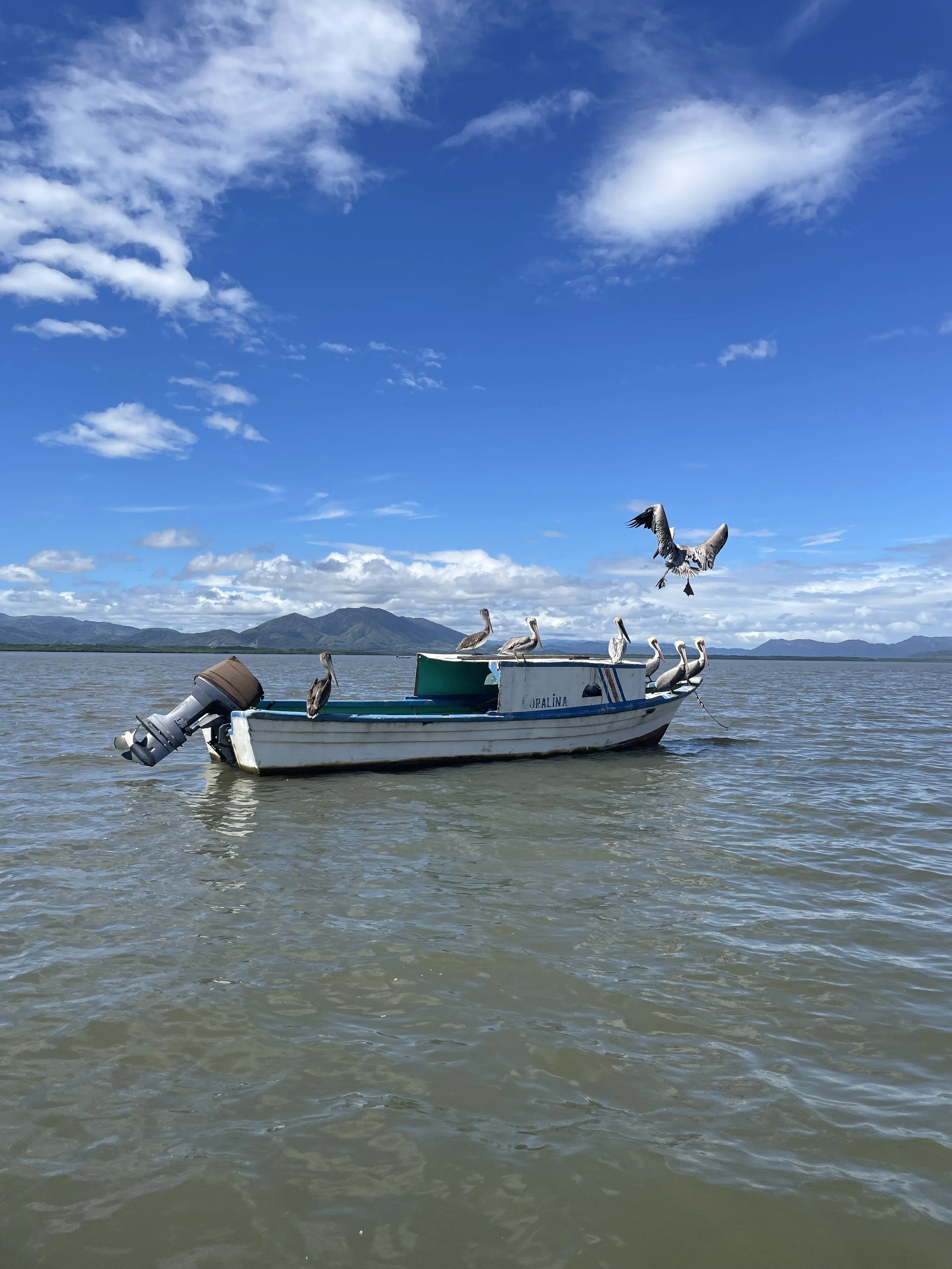
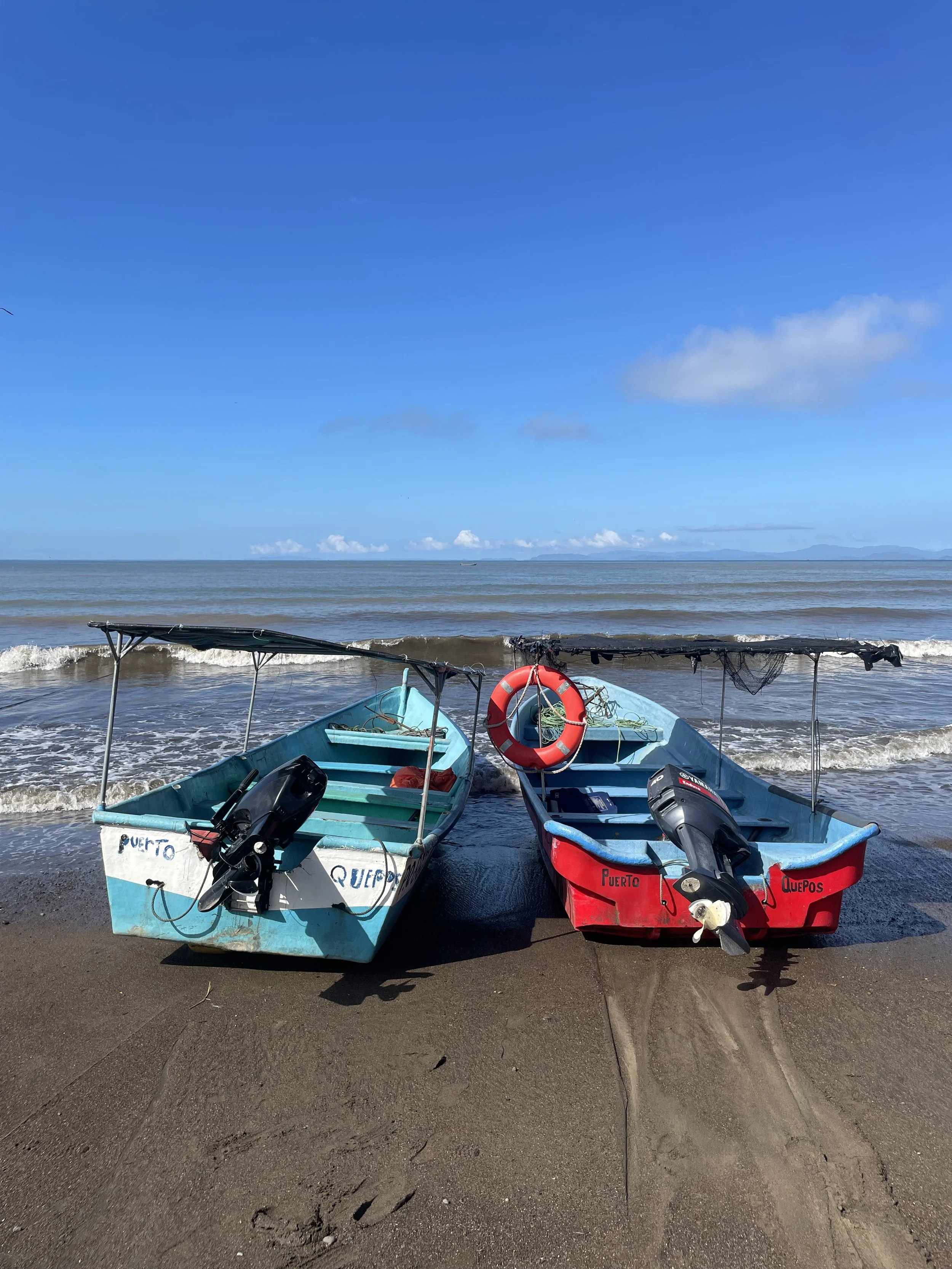
This reminds me that sometimes illegal or unregulated fishing can be hard to stop since fishermen can be warned of approaching patrolmen, and maybe even just see them coming and get rid of any evidence that they were fishing “illegally” or using equipment they shouldn’t have. I wrote in my notebook,
“the other small boats are so hard to see and it takes so long to travel, I get why it is hard to patrol the seas.”
Having discussed this phenomenon in class, it was nice to see for myself just how vast the water is and how low the visibility is, especially when the water color and reflecting sunlight make you see things that aren’t there or confuse the images you do see.
2.) What differences in attitude, resources, or livelihood opportunities were observed between the different sites visited?
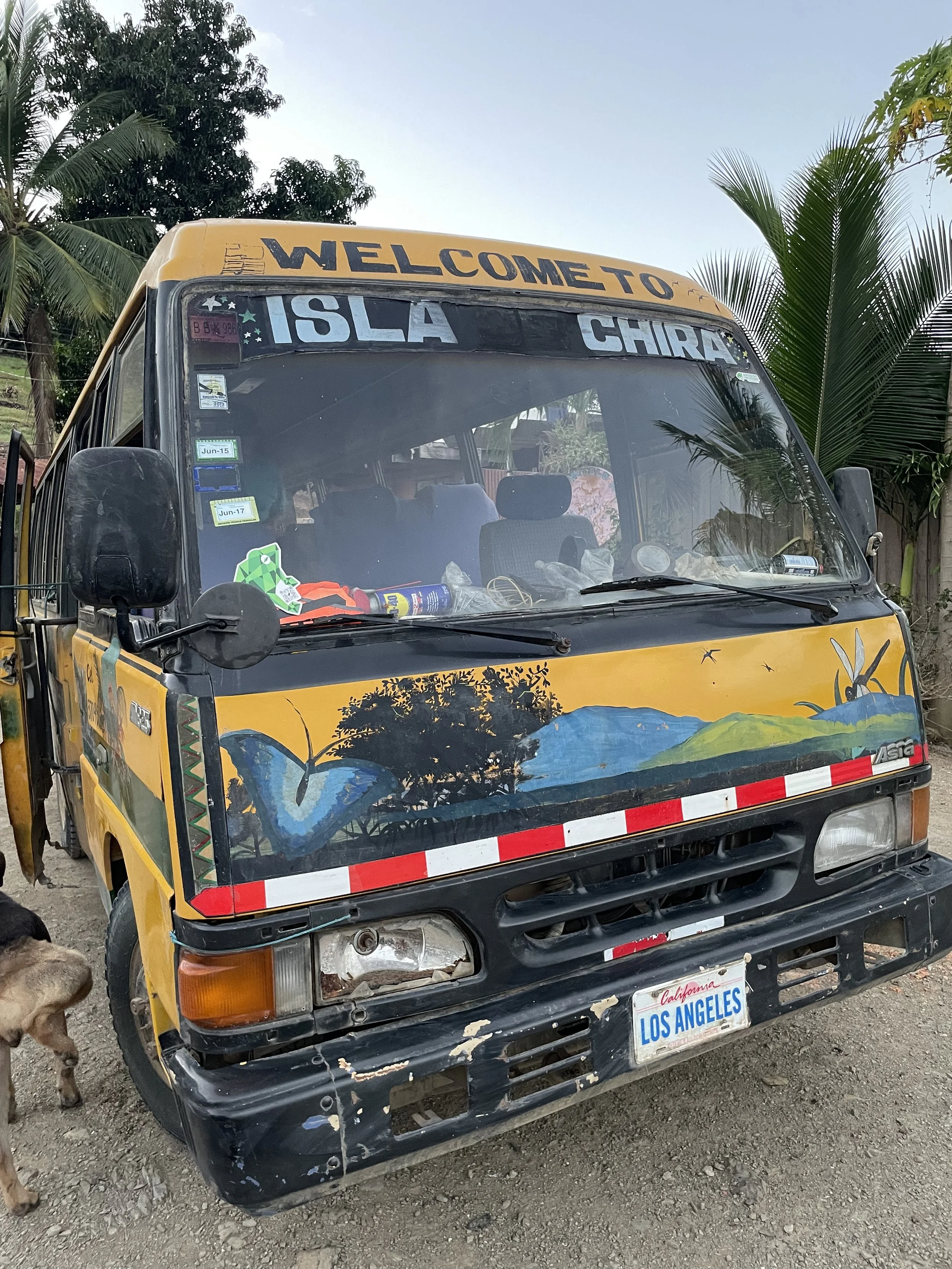
Isla Chira
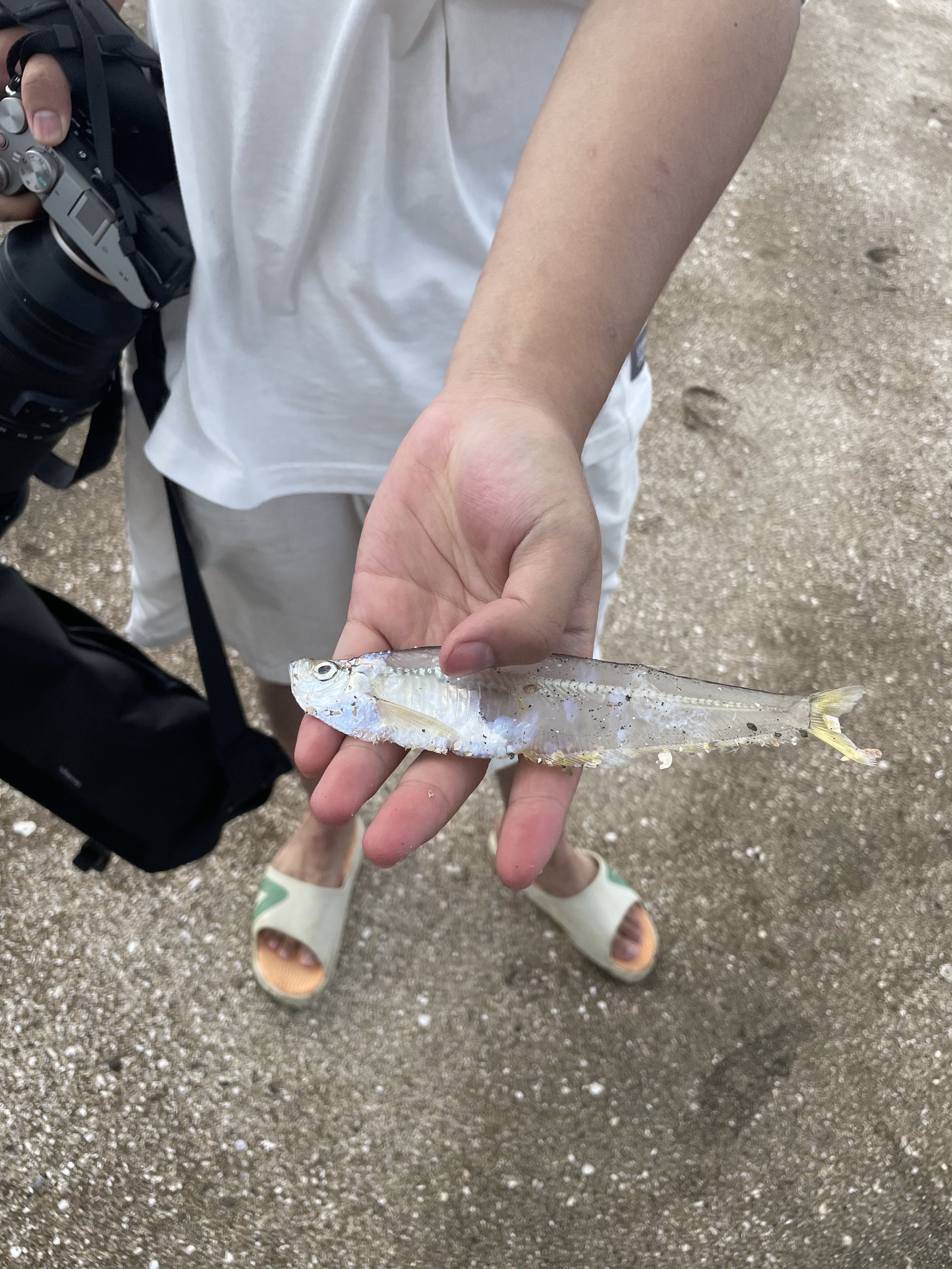
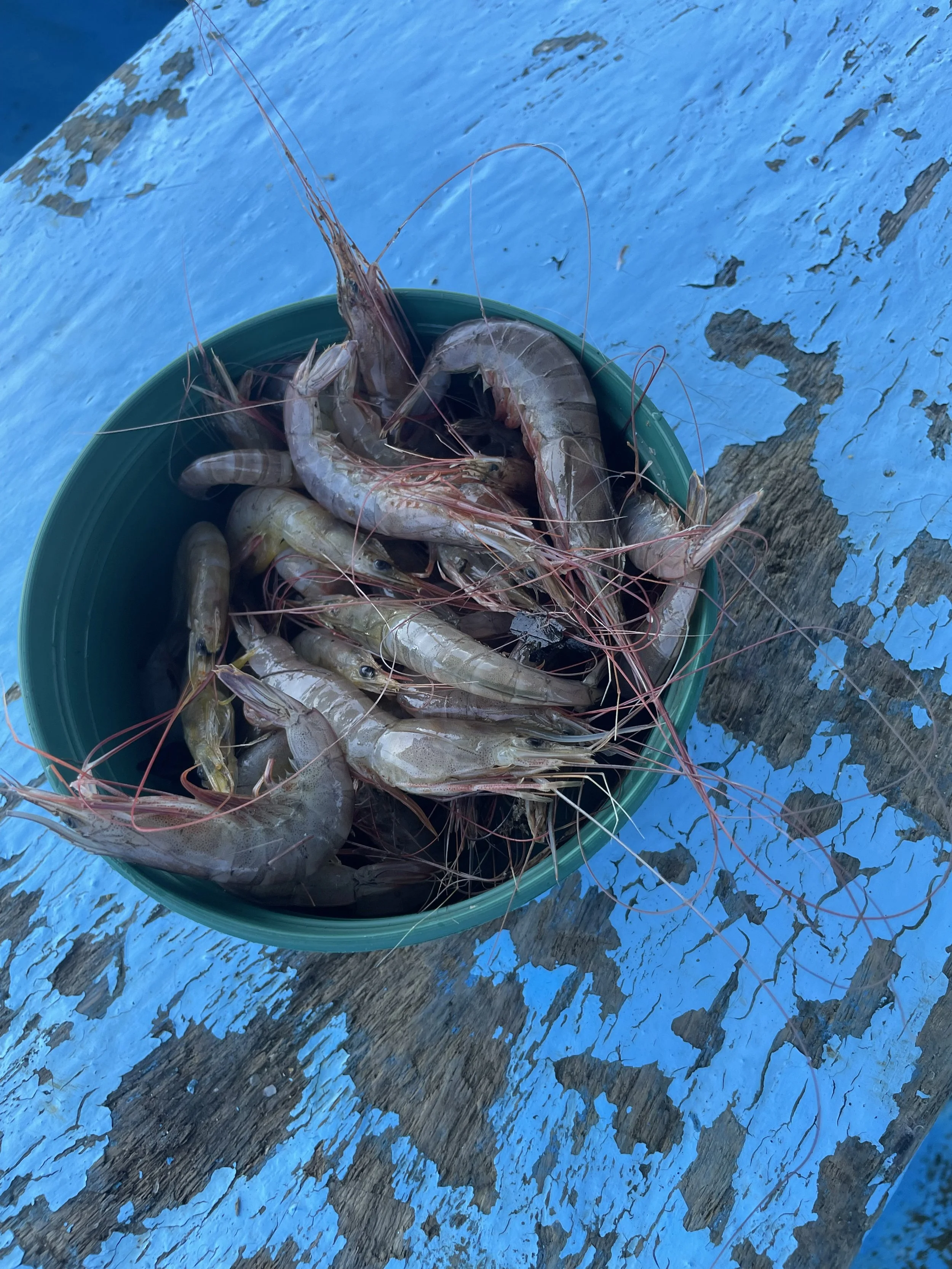
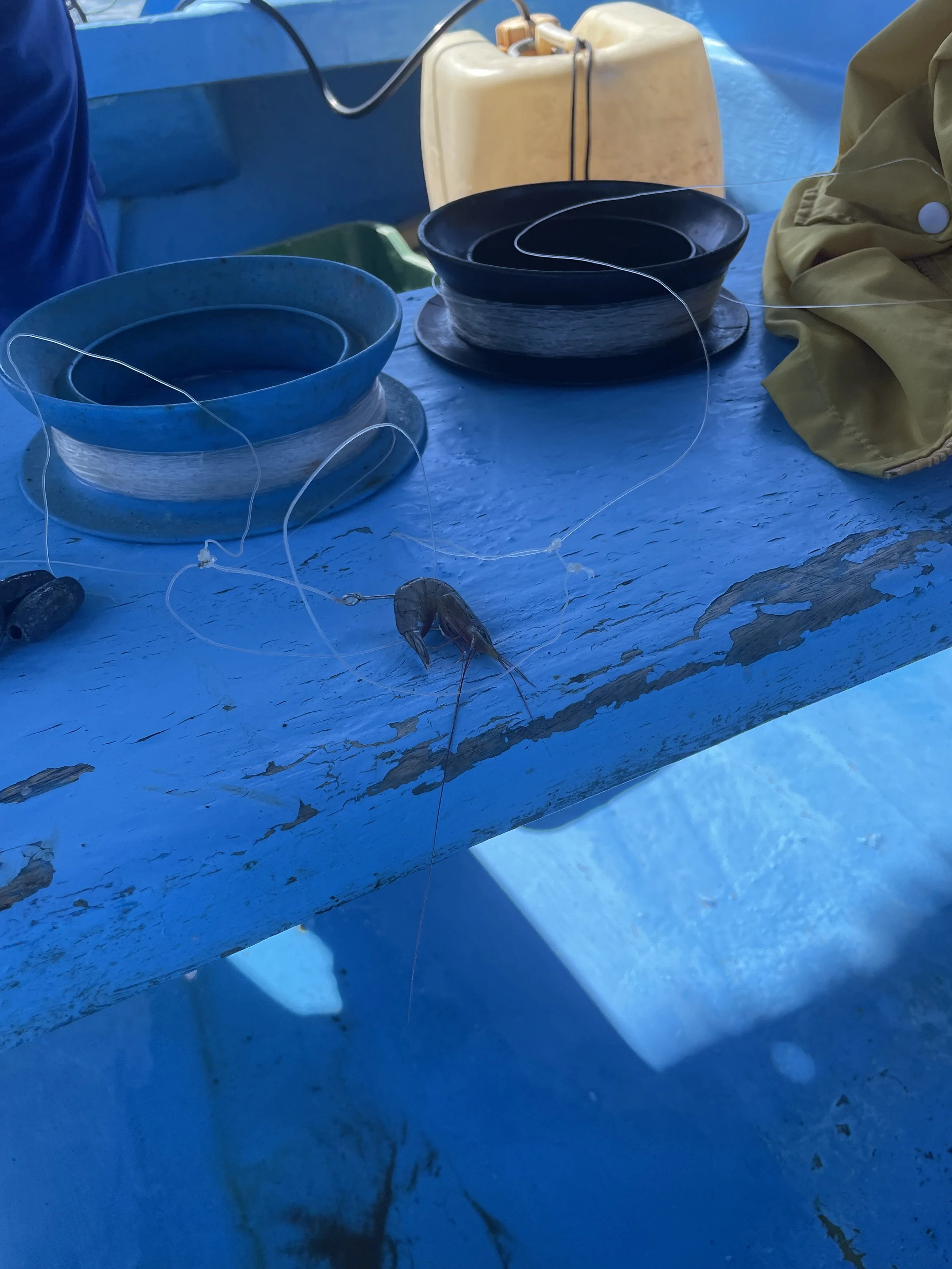
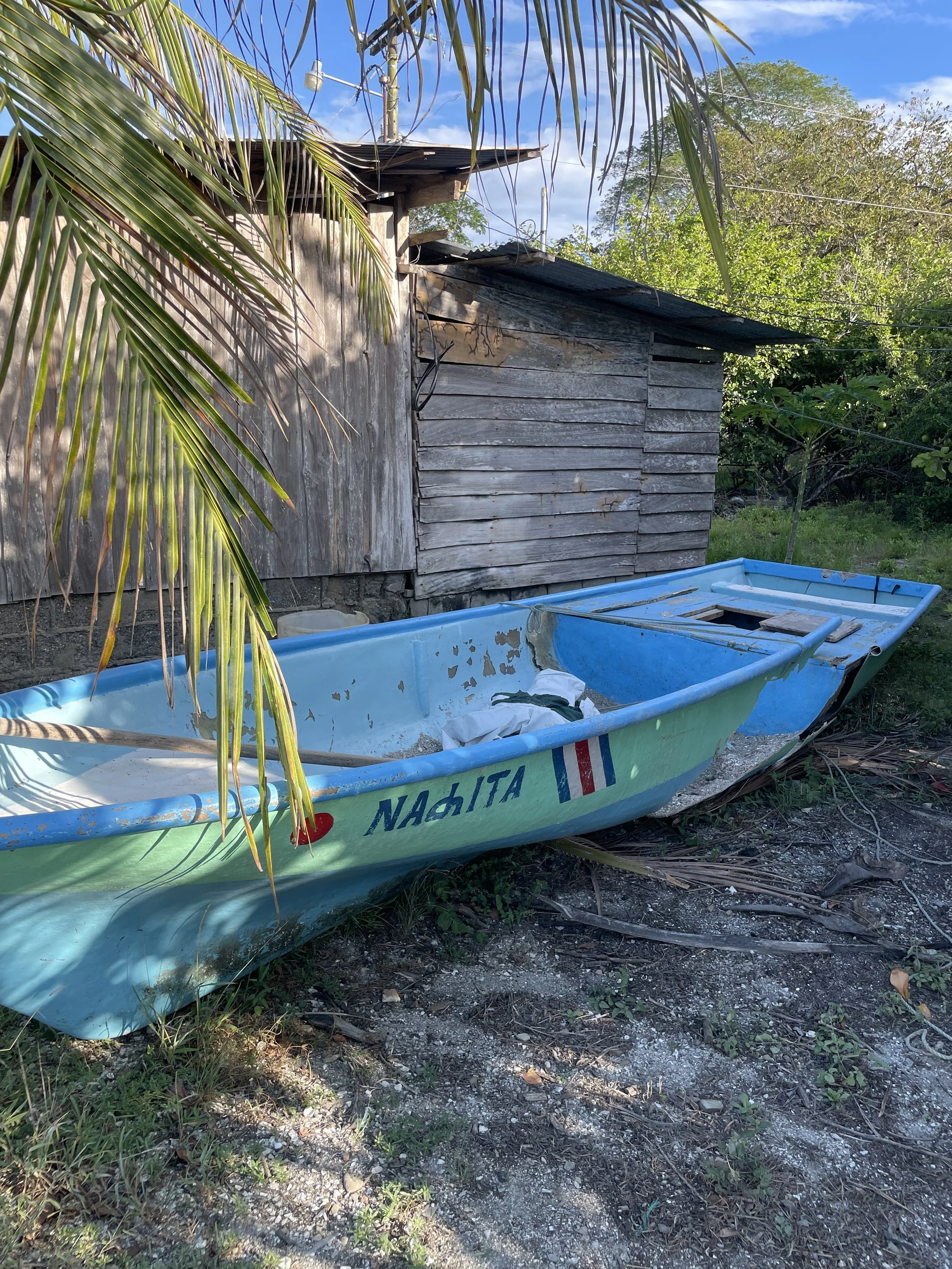
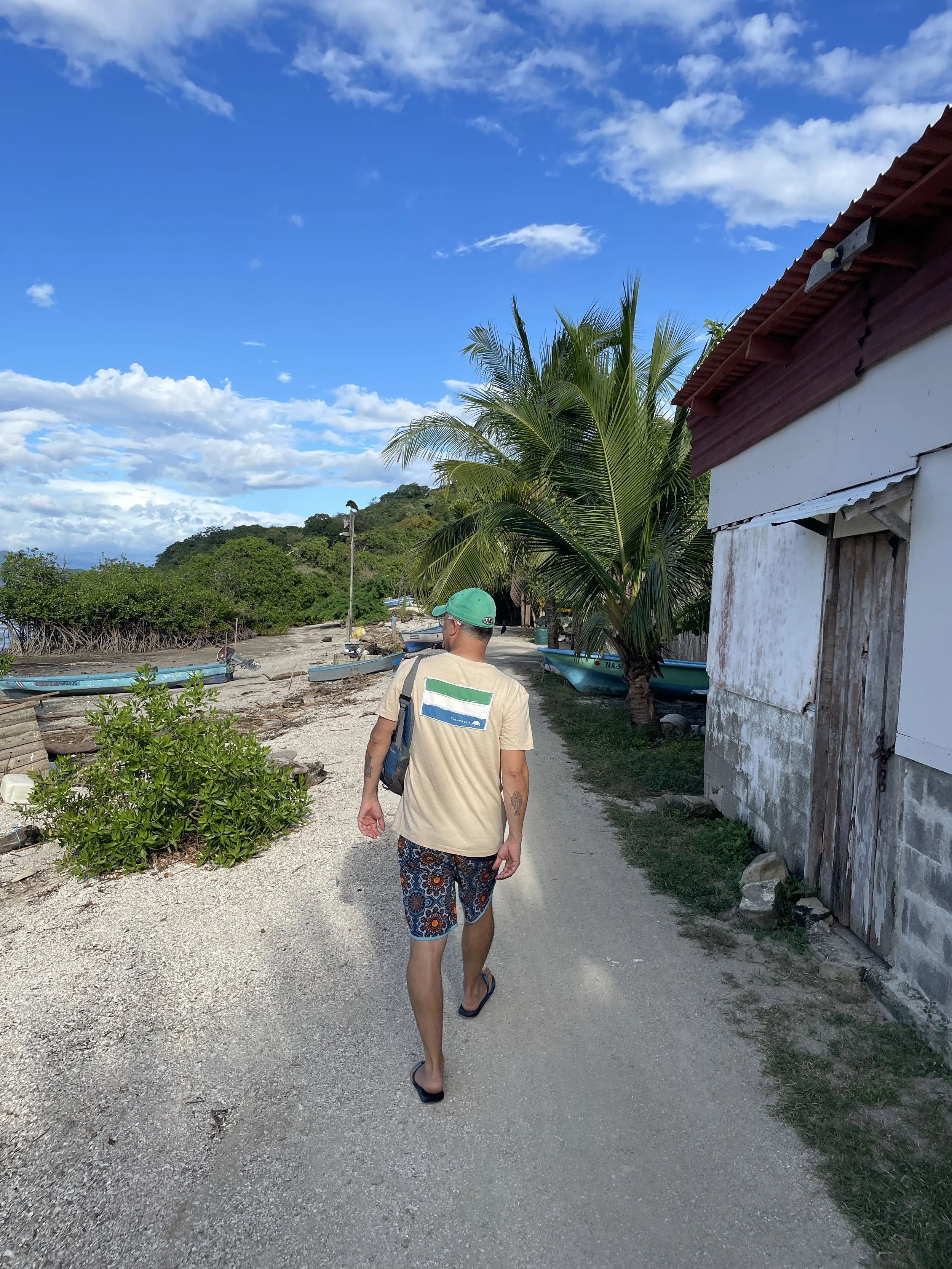
Although there were almost no fishermen out on the water at the time we arrived and the time we explored in the morning, we did speak to one young fisherman who had what looked like a successful catch of fish and shrimp. He had a plastic container (that looked like reused material) full of small fish and shrimp. During our morning exploration, we passed through and observed an oyster farming project that not only involves, but benefits the women of the community, and it’s especially profitable because the wild oysters that they farm are subsidized. I noted that patrolling of the fishers on the water is done by the community itself. However, this is no easy feat and is actually quite hard to keep up with because the labor is taxing. Sometimes the same men who go out fishing during the day then have to patrol the same waters at night, and this is especially difficult work during the rainy season.
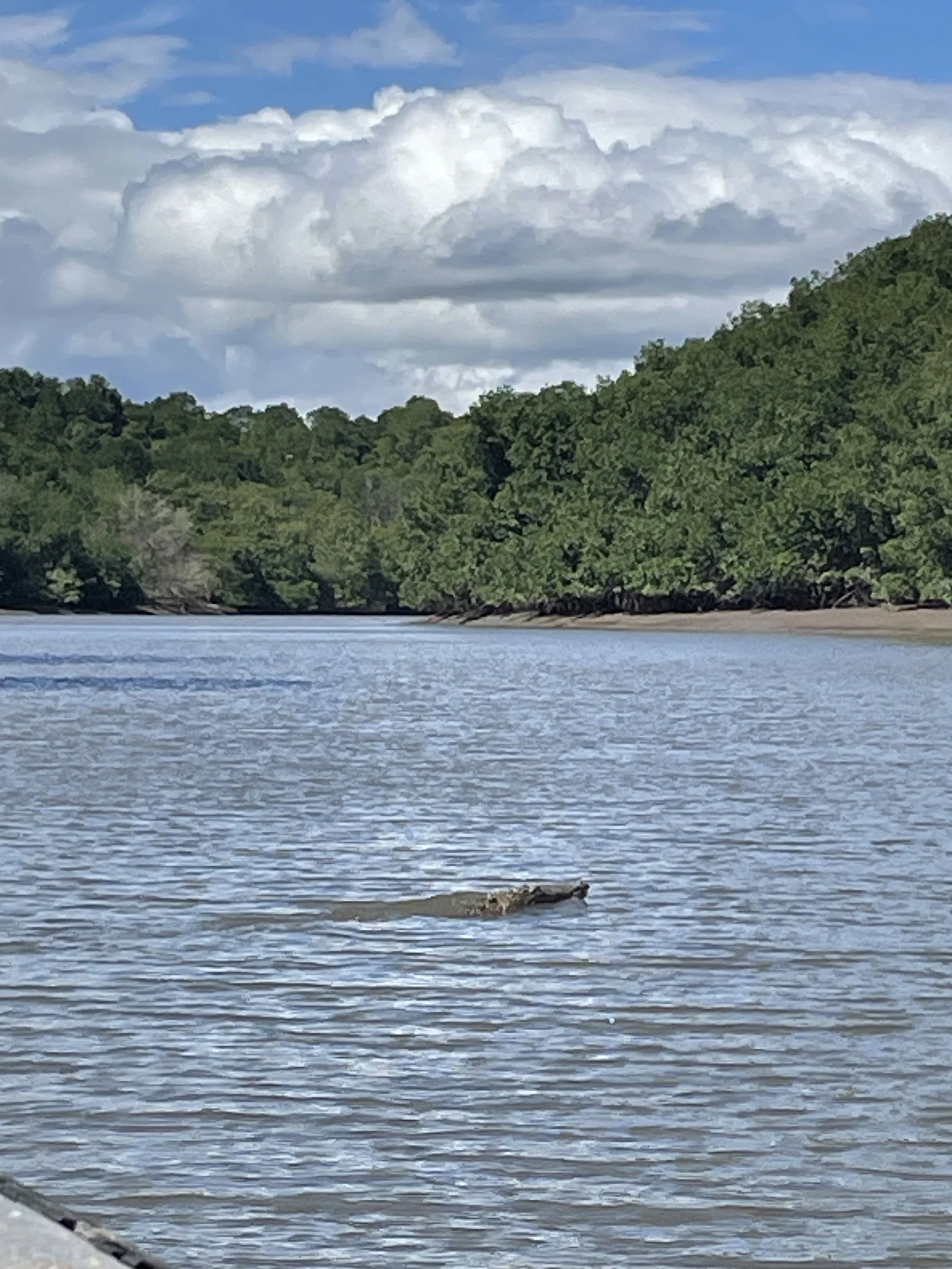
Tárcoles
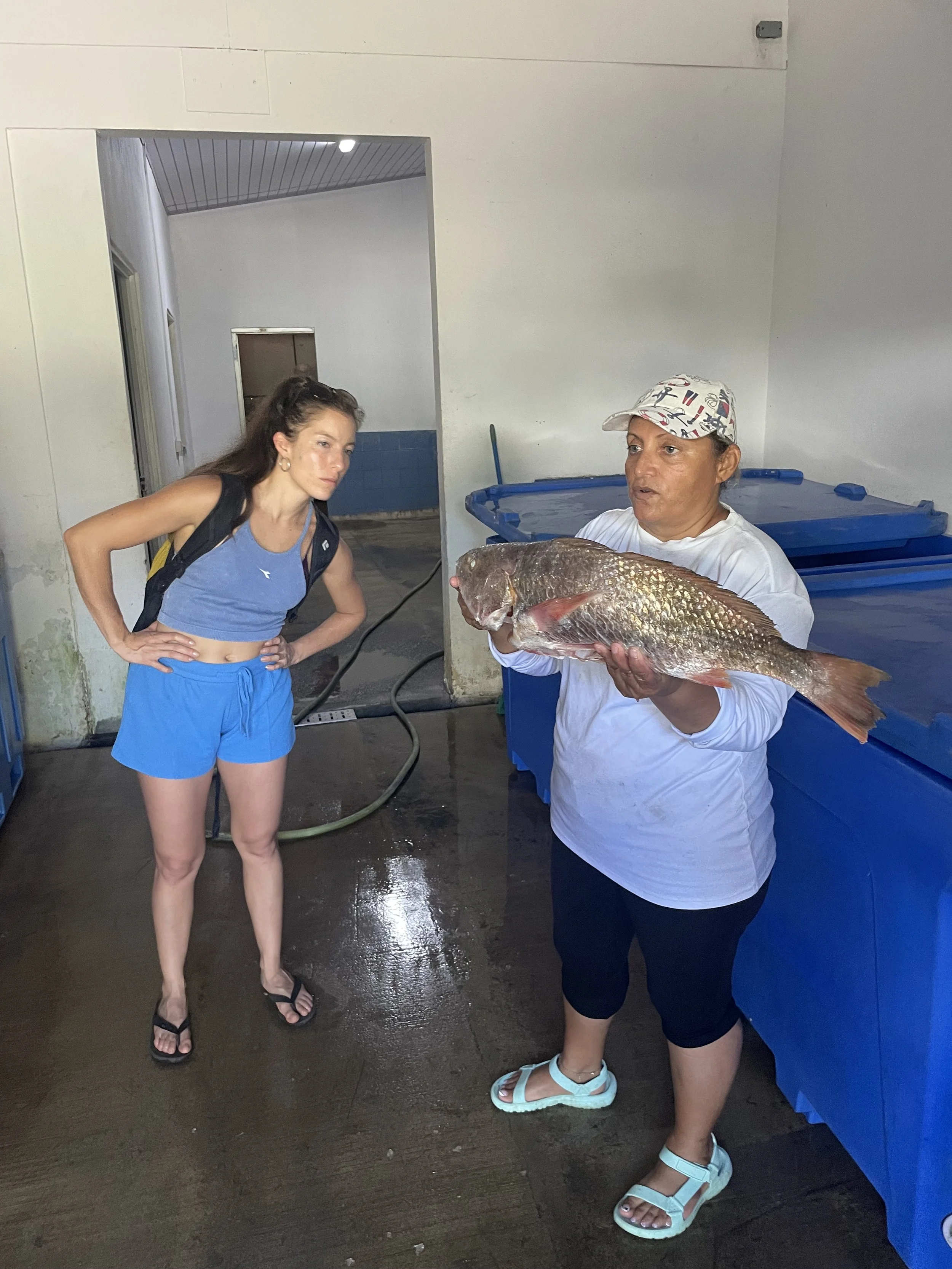
Tárcoles feels like a busy and successful fishing community; less vast, forested, and multifaceted than Isla Chira. The local fishing cooperative, CoopeTárcoles R.L. has brought the community a long way and I was very impressed with the fishery facilities they’ve built and provide to members. A thought that stuck with me from our speaker, Jeannette Naranjo’s presentation is that the fishing industry is very dangerous and unfair, but it’s worth fighting for one’s community well-being, no matter how big of a fight, and it’s always necessary to have help. The anecdotes she shared definitely helped me understand the gravity of this fishing community’s problems. I particularly feel for the artisanal fishers who face unfair treatment by the coast guard who will allow bribery from semi-industrial fishers but confiscate the gear of artisanal fishers who are caught practicing unregulated fighting. Moreover, I gathered that no matter what fishing systems or techniques are implemented by semi-industrial fishers, they will continue to cause damage to local ecosystems without a care for the impacts on the local community.
3.) Has your definition of a coastal community problem changed? How?
My initial idea/example of a coastal community problem was access to fresh water. Yet, our stay at the cabins, and my observation of all the potable water spouts around Chira Island, showed me that access to fresh, clean drinking water was not an immediate matter of concern for Chira Island community members. Instead, a coastal community problem I’ve since reflected on is conflicting interests between local community residents and other powerful or relevant stakeholders.
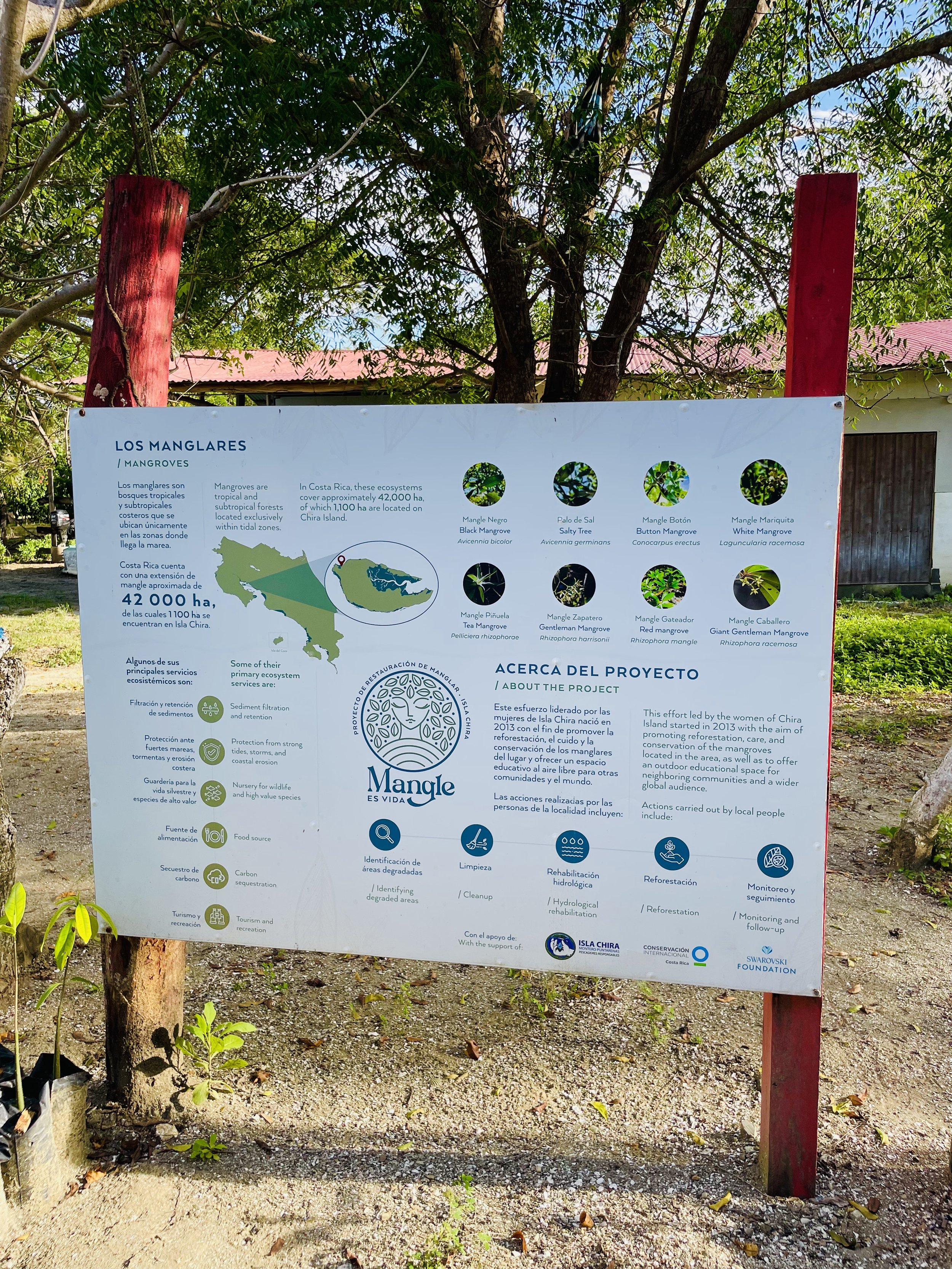
Mangle es Vida | Mangrove Restoration Project | Proyecto de Restauración de Manglar • Isla Chira
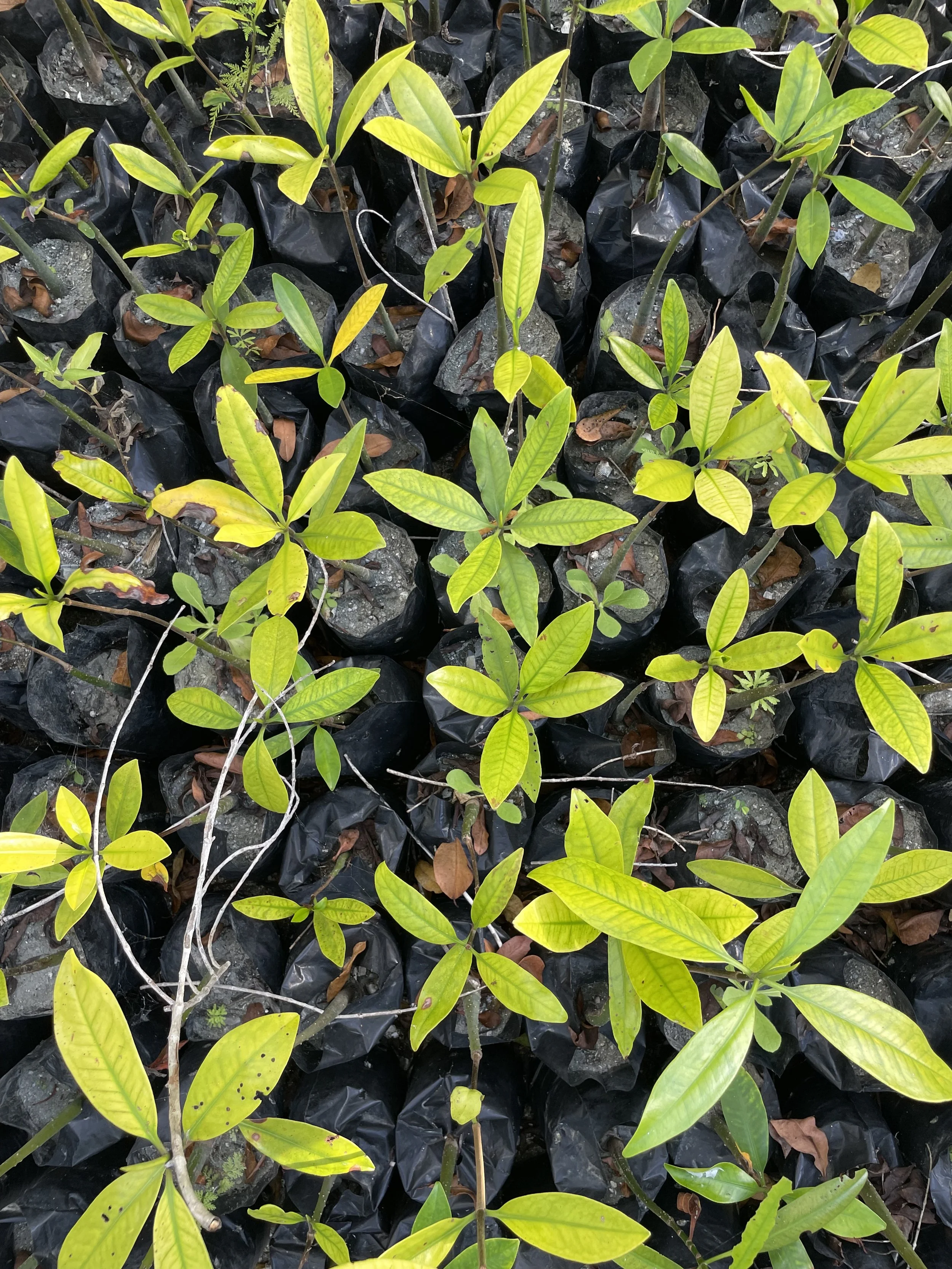
Baby magroves to be planted (2024) with the support of Conservation International Costa Rica and Swarovski Foundation.
Mangrove management and conservation on Chira Island is a great example of how conflicting interests within the community are addressed and how they can play out. Certain real estate stakeholders believe that developing the island for increased, and possibly luxurious tourism is a great idea for immediate economic gains. Meanwhile, a number of fishermen with beachfront property have already cut down and removed mangroves for more direct access to the shoreline (for their boats). Although seemingly irrelevant, these two factors are extremely counterintuitive. Reason being, insurance companies will often not insure boats, hotels, or resort properties that do not immediately rest around mangrove forests (Peña, 2025). To add a third layer to this web of interests, there are two specific variables that affect the former two interests, albeit differently.
As sea levels rise, fishermen with beachfront properties will be at increased risk of property destruction in the event of extreme weather. Furthermore, the sea level rise will cause mangrove forests to move further inland, potentially blocking their access to the sea and forcing them to cut down their barrier of protection just to be able to fish, leaving directly from the beach on their boats. Adding tourism to this equation, even though mangroves are an attractive tour option for eco-tourists, would further erode the coastal lands/shore, ultimately causing the problem that insurance companies and hotel property owners want to avoid —risk of property destruction due to lack of protective barriers from storm waters, which mangrove forests provide.
4.) Based on Pollnac (1989), which differences and similarities do you observe when comparing the findings of the paper and your observations on at least one of the sites visited.
Pollnac (1989) highlights the importance of leadership and institutional support in sustaining small-scale fisheries, which aligns with my observations in Tárcoles and Isla Chira. On Isla Chira, community-driven initiatives like ASOMIXTA’s mangrove planting and oyster farming seem well-positioned for long-term sustainability, provided external support continues. In Tárcoles, however, the success of CoopeTárcoles R.L. is more vulnerable to leadership changes, as shifts in management or priorities could disrupt the cooperative’s progress and weaken its ability to advocate for sustainable practices. This highlights how leadership stability is critical for ensuring the resilience of small-scale fishery management systems. From what I observed, both sites underscore Pollnac's insight that while small-scale fisheries and community-driven projects hold immense potential, their sustainability depends on consistent leadership, external support, and resilience to unpredictable changes in governance or external influences.
References:
Pollnac, R. 1989. Income variability, uncertainty, and investment orientations among small scale fishermen in the gulf of Nicoya, Costa Rica, p. 53-73.
Peña, M. 2025. New study values the benefits of mangroves for reducing property damages in recent hurricanes. www.preventionweb.net/news/new-study-values-benefits-mangroves-reducing-property-damages-recent-hurricanes